Dr. Hitender Singh Chauhan has built his surgical experience around managing cha...See More
Oct 09, 2026

Delivering safe, effective, and patient-focused surgical treatments
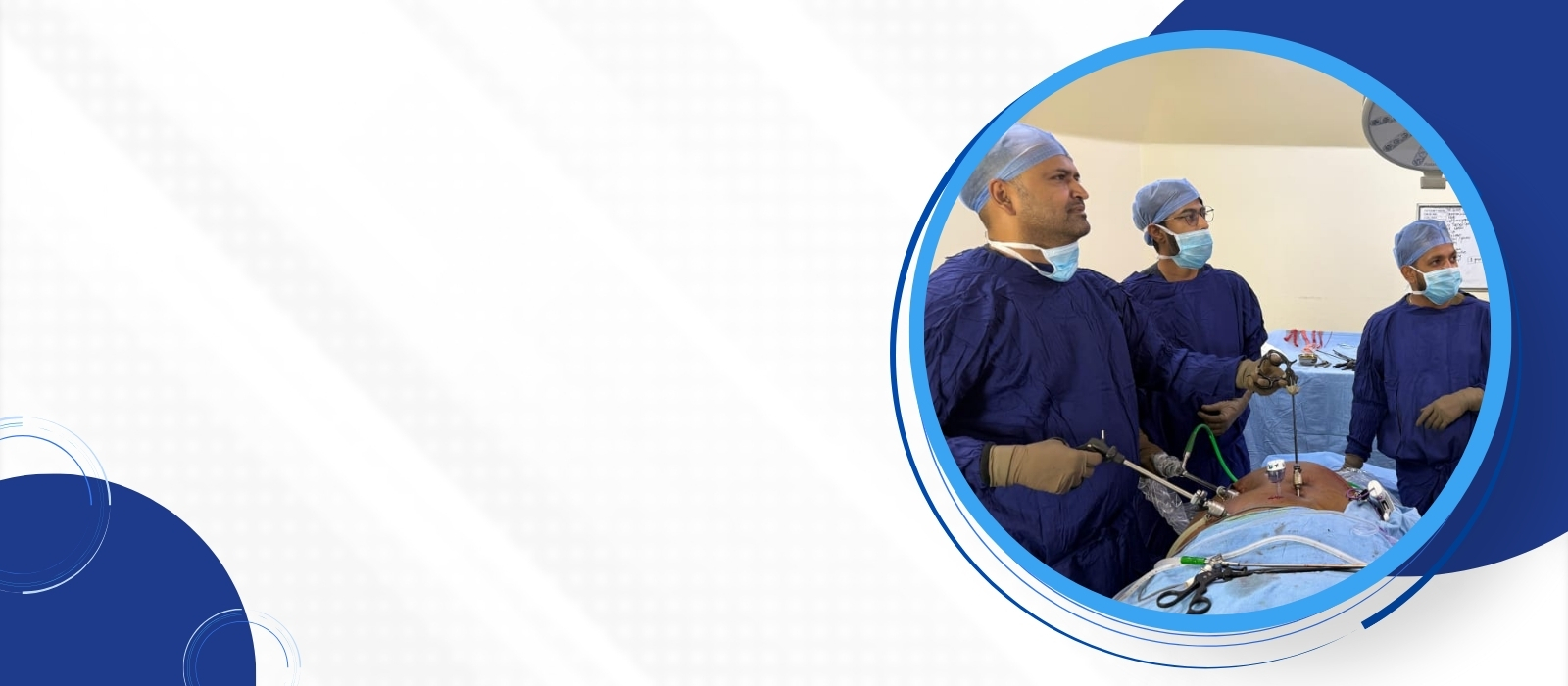
Specialized in sleeve gastrectomy, gastric bypass, and minimally invasive weight-loss procedures for sustainable outcomes

Expertise in advanced laparoscopic and minimally invasive surgeries

Comprehensive care for hernia, GI, trauma, and acute cases
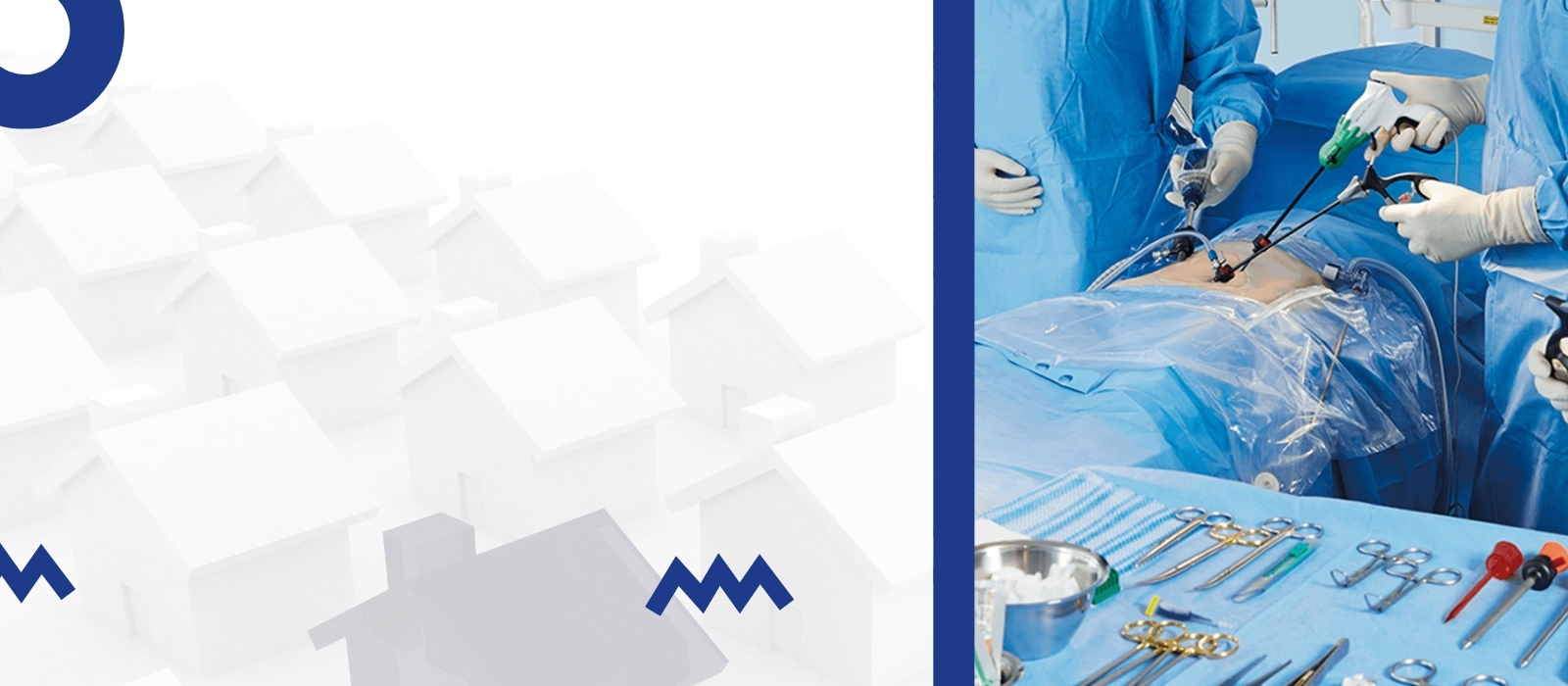
Dedicated to innovation, precision, and improved patient outcomes

Combining academic excellence with compassionate clinical practice

Advanced, safe, and minimally invasive procedures for faster recovery
.jpg)
.jpg)
.jpg)
.jpg)
.jpg)
.jpg)

About Us
Years of Experience
Laparoscopic & Minimally Invasive Surgeries Done
Happy Patients


Comprehensive Care for Every Patient Need
Stay informed with our latest updates, posts, announcements, and healthcare news
Dr. Hitender Singh Chauhan has built his surgical experience around managing cha...See More
Oct 09, 2026
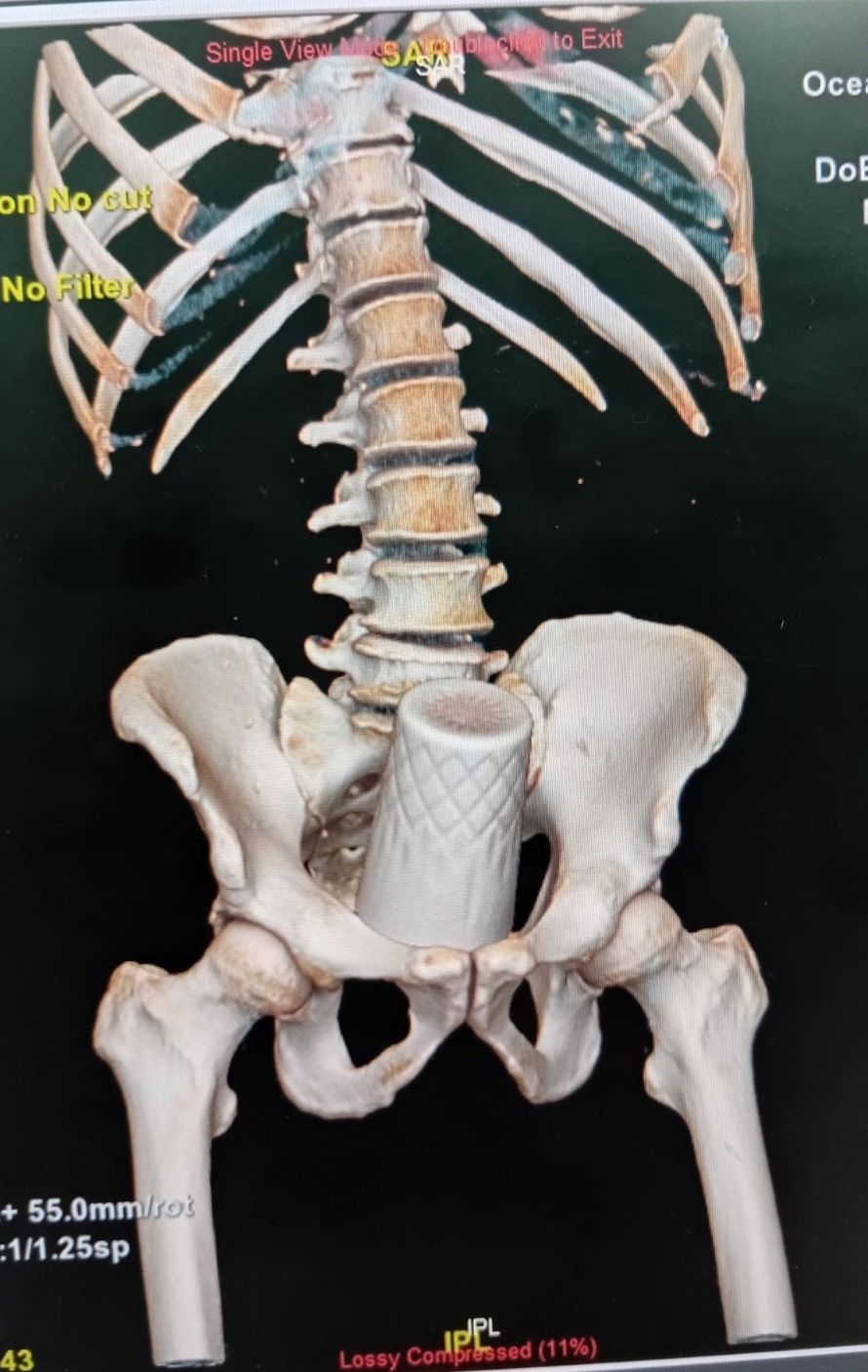
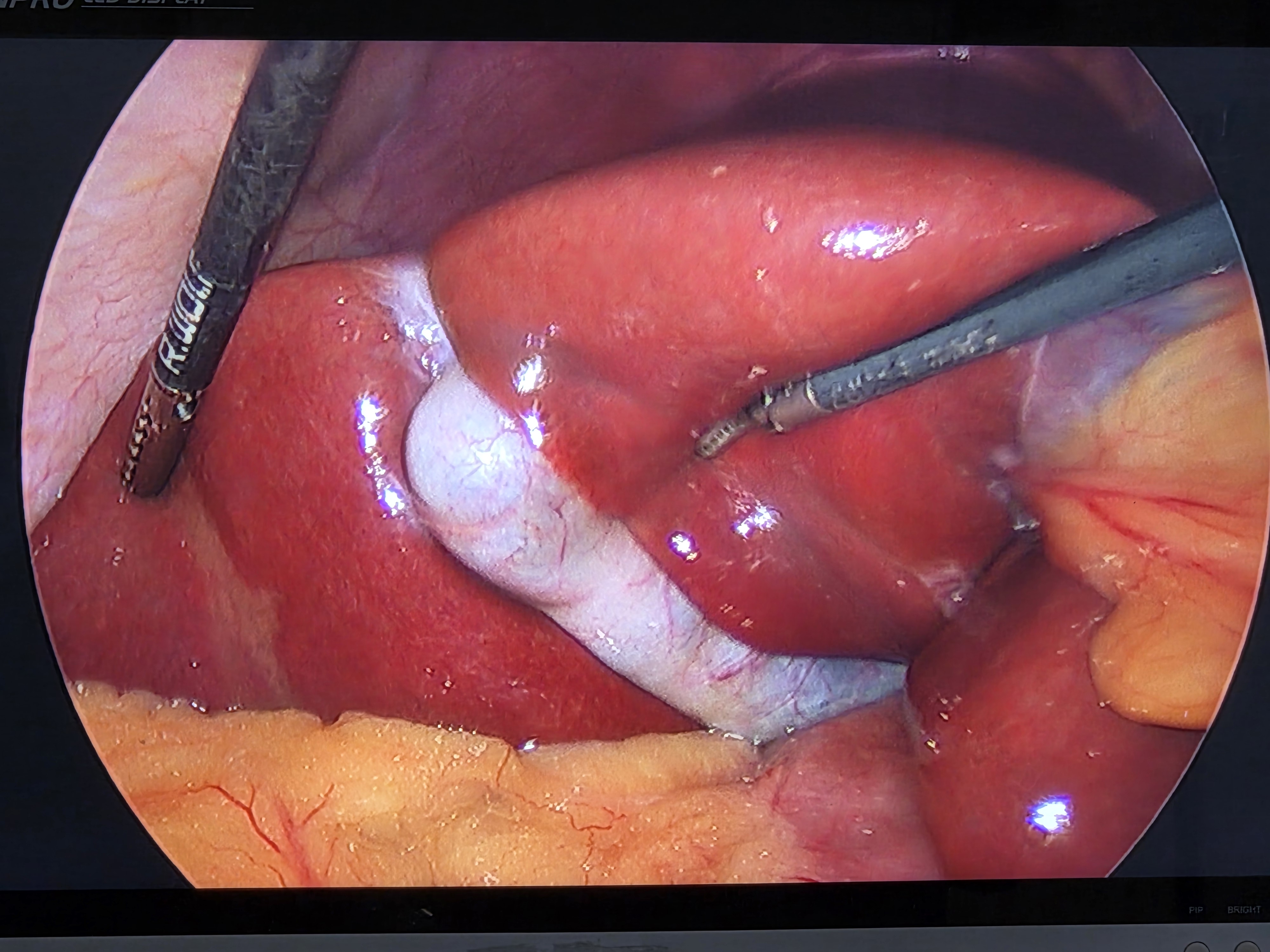
Rectal foreign body treatment depends on size, shape, and symptoms. Do **not** t...See More
Sep 09, 2026
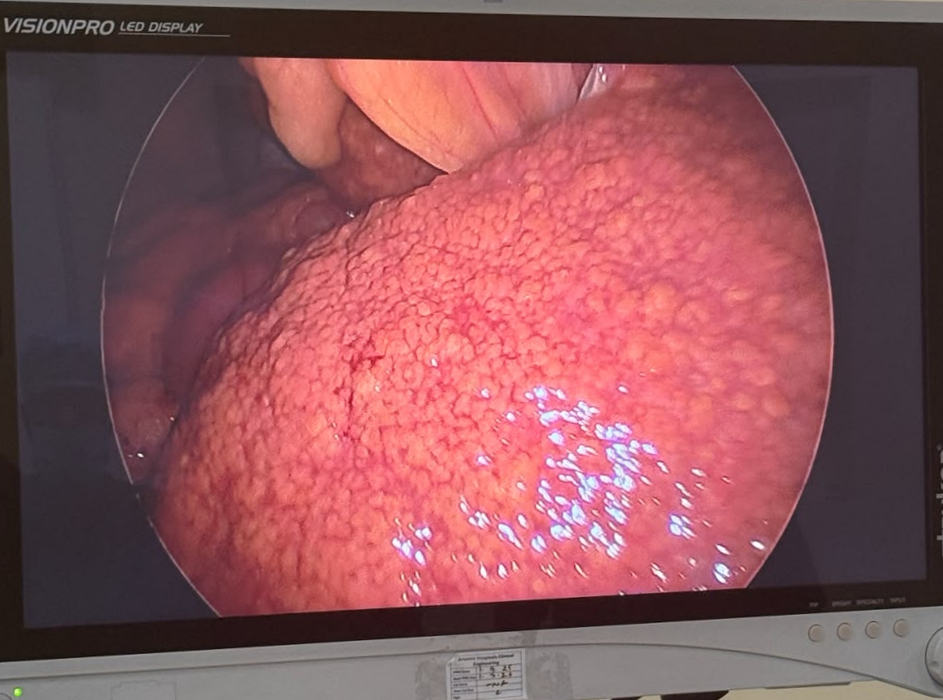
Fatty liver = extra fat in liver. Causes: obesity, diabetes/insulin resistance,...See More
Aug 20, 2026
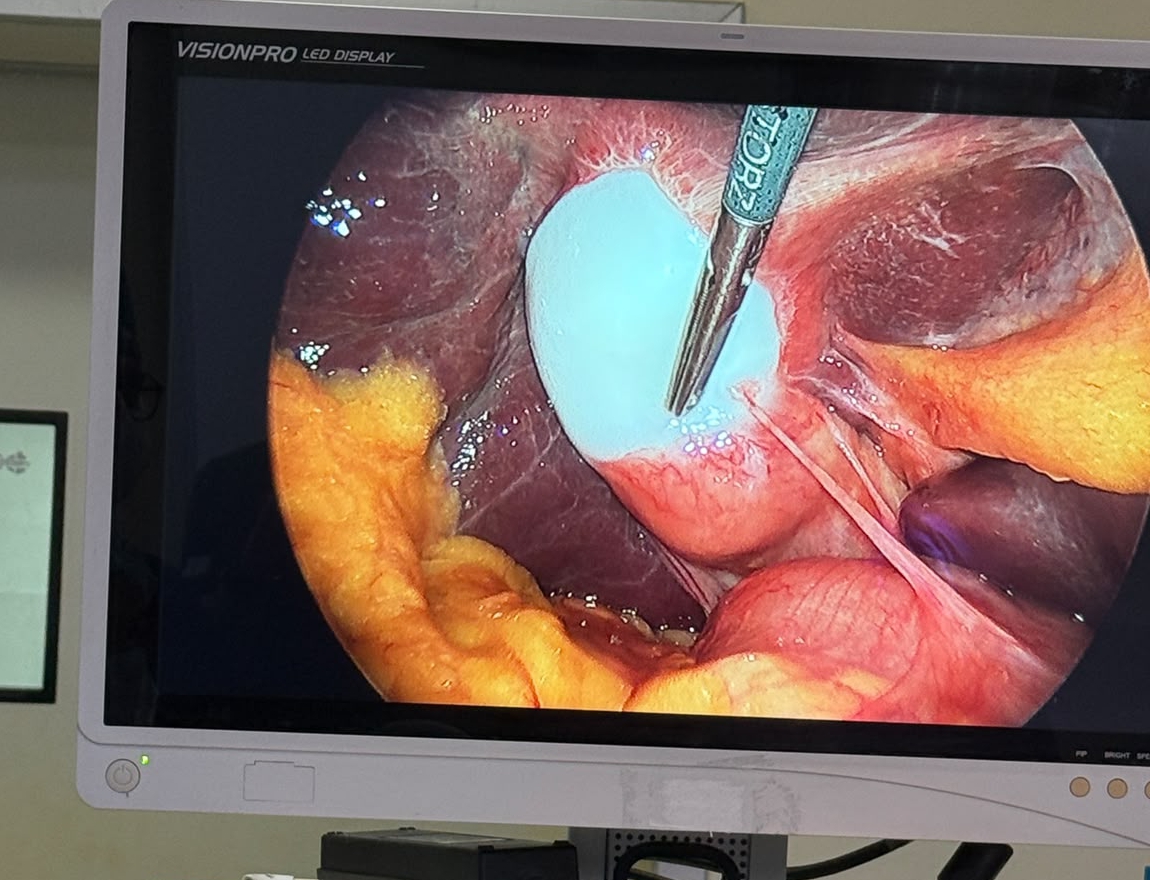
A porcelain gallbladder is **calcification of the gallbladder wall**, usually fr...See More
Aug 18, 2026
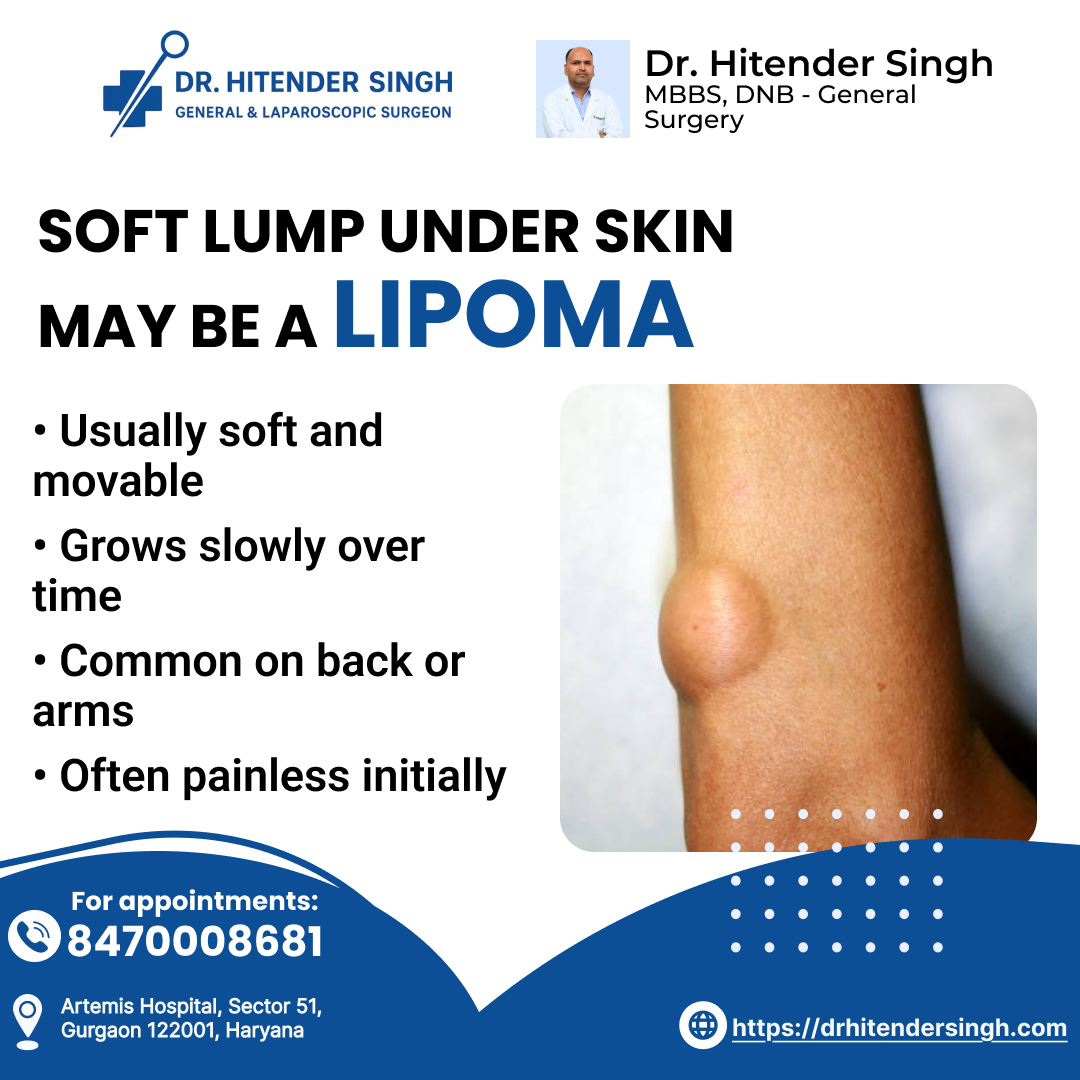
Many skin lumps are harmless, but should be identified properly. #GeneralSurgery...See More
Aug 02, 2026
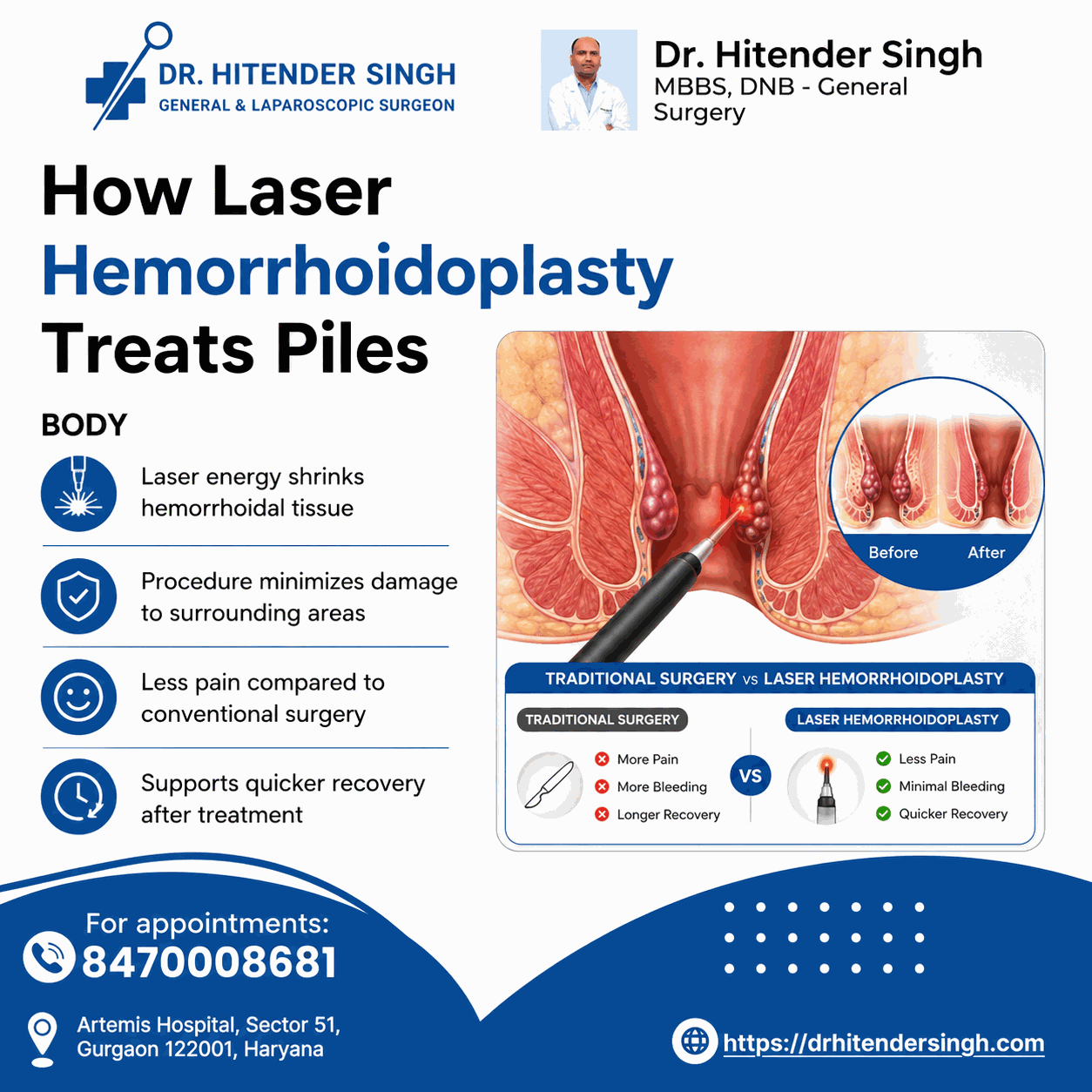
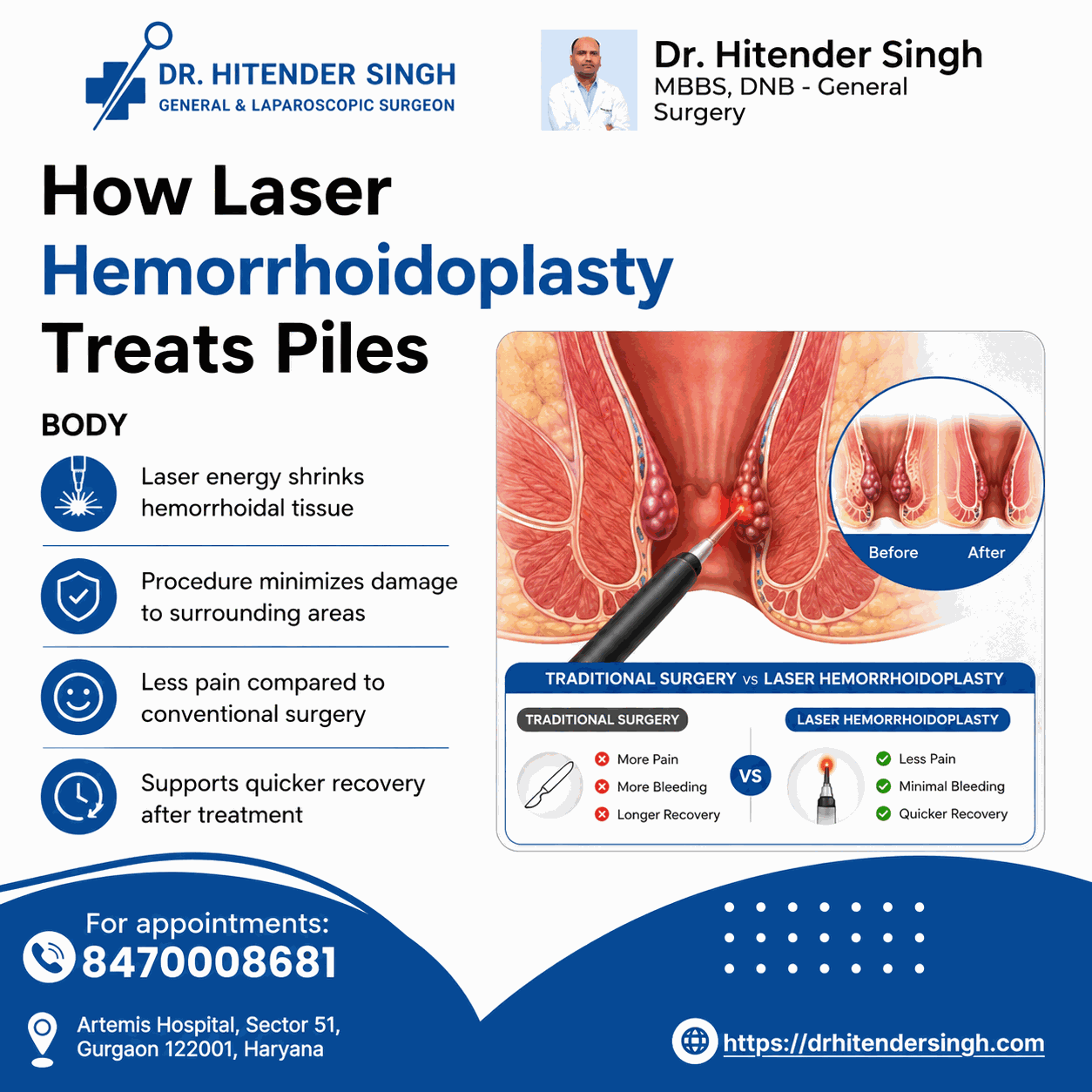
Laser hemorrhoidoplasty is a minimally invasive option for selected patients wit...See More
Jul 26, 2026
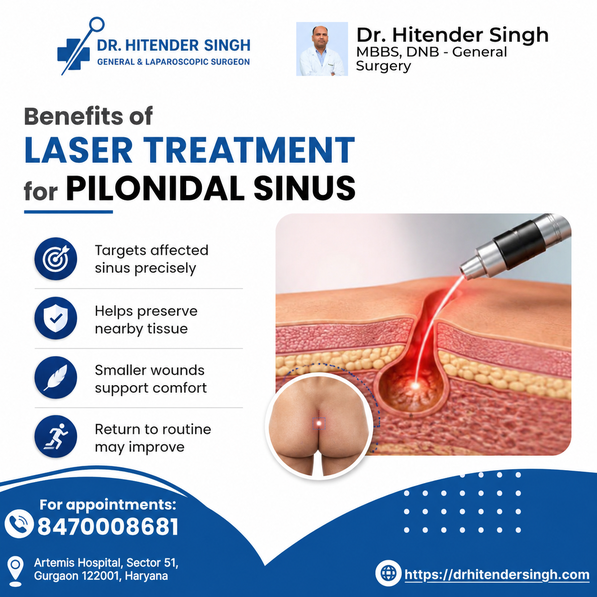
Laser treatment for pilonidal sinus is a minimally invasive option used in selec...See More
Jul 24, 2026
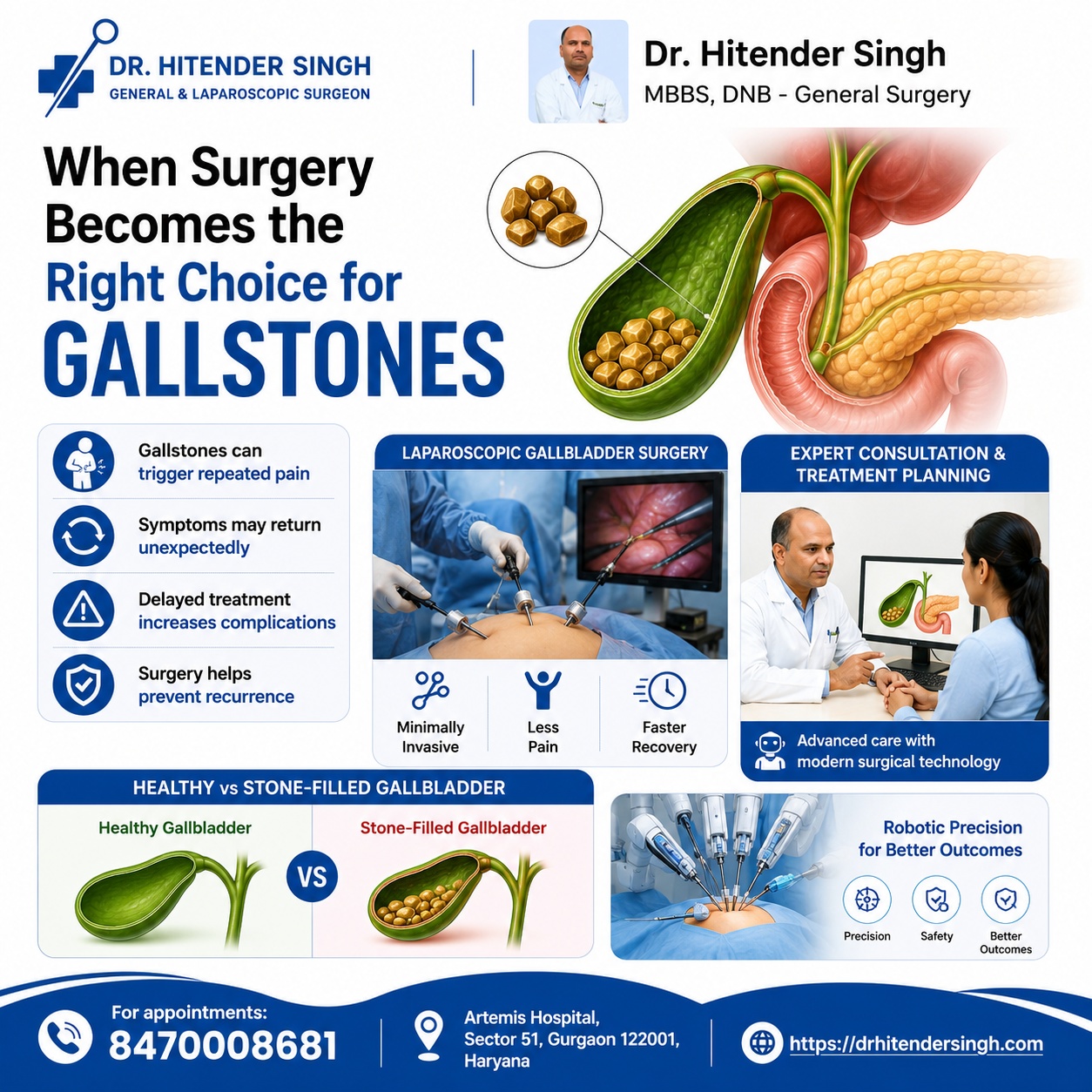
Gallbladder surgery is often recommended for gallstones to help prevent recurre...See More
Jul 23, 2026

Not every symptom has the same cause, and online searches can't account for your...See More
Jul 20, 2026

The monsoon brings relief from the heat, but it also increases the risk of seaso...See More
Jul 17, 2026

Enjoy the beauty of the rainy season while taking simple steps to protect your h...See More
Jul 16, 2026
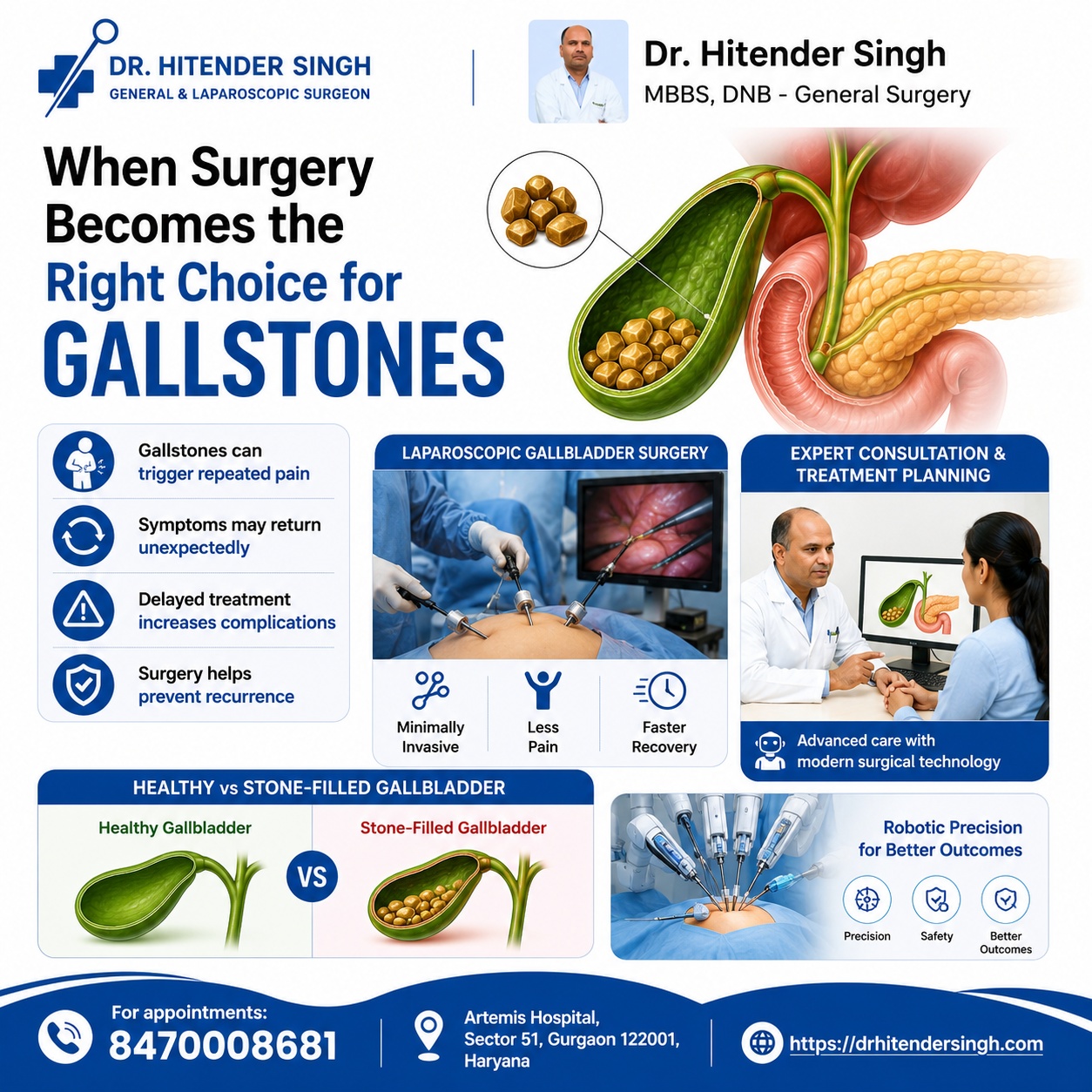
Gallbladder surgery is often recommended for symptomatic gallstones to help prev...See More
Jun 28, 2026
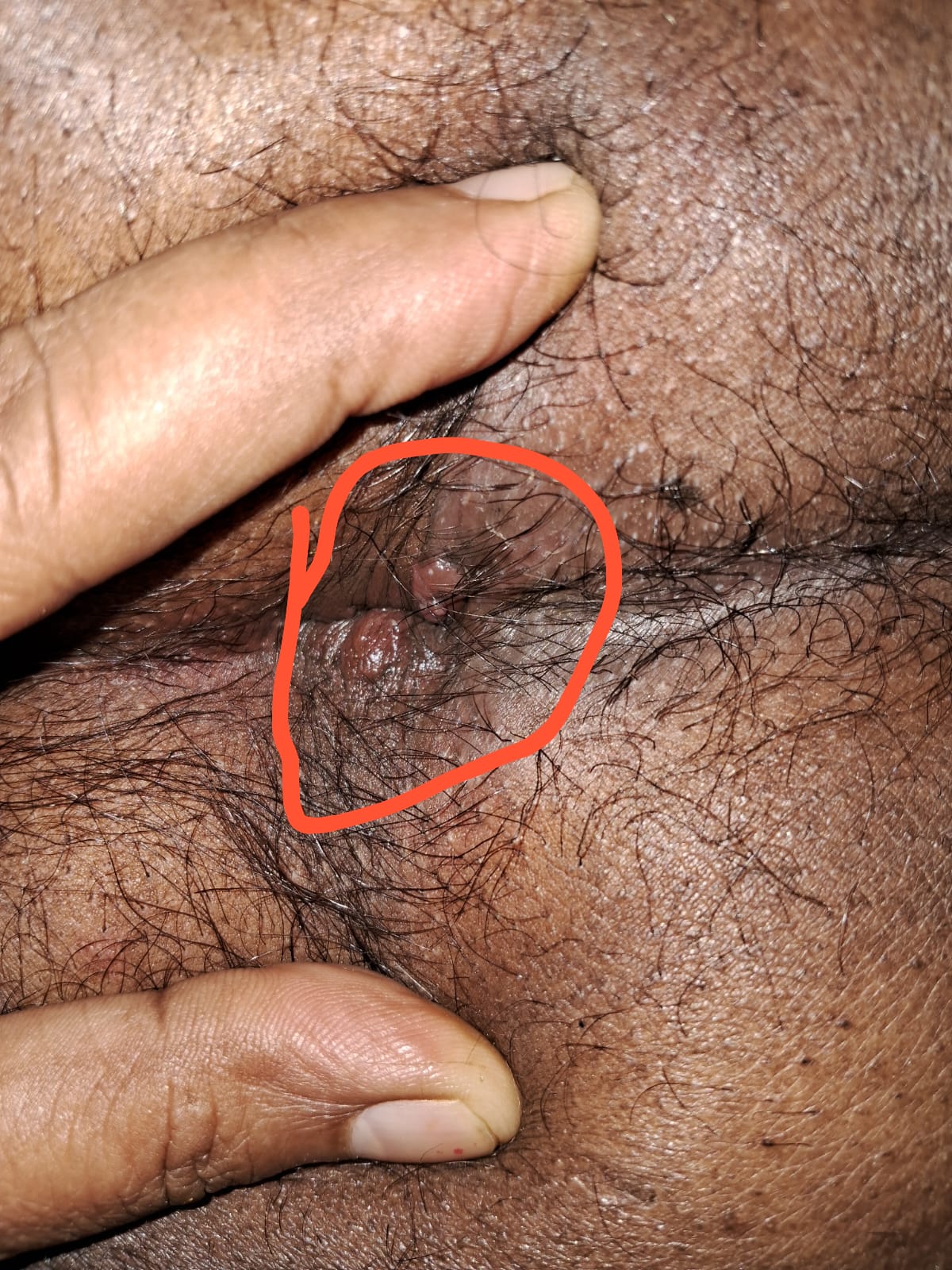
#Pilonidal sinus**: a small tunnel/cyst near the tailbone, often from ingrown ha...See More
Jun 22, 2026
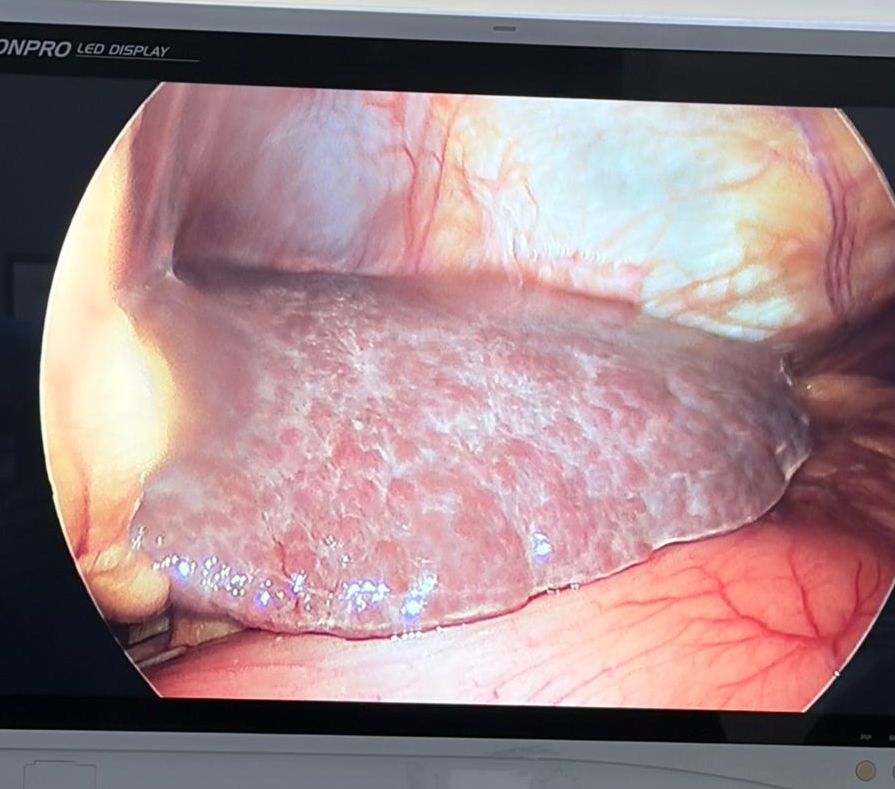
Laparoscopic cholecystectomy in cirrhosis is feasible, safest in Child-Pugh A/B;...See More
Jun 20, 2026
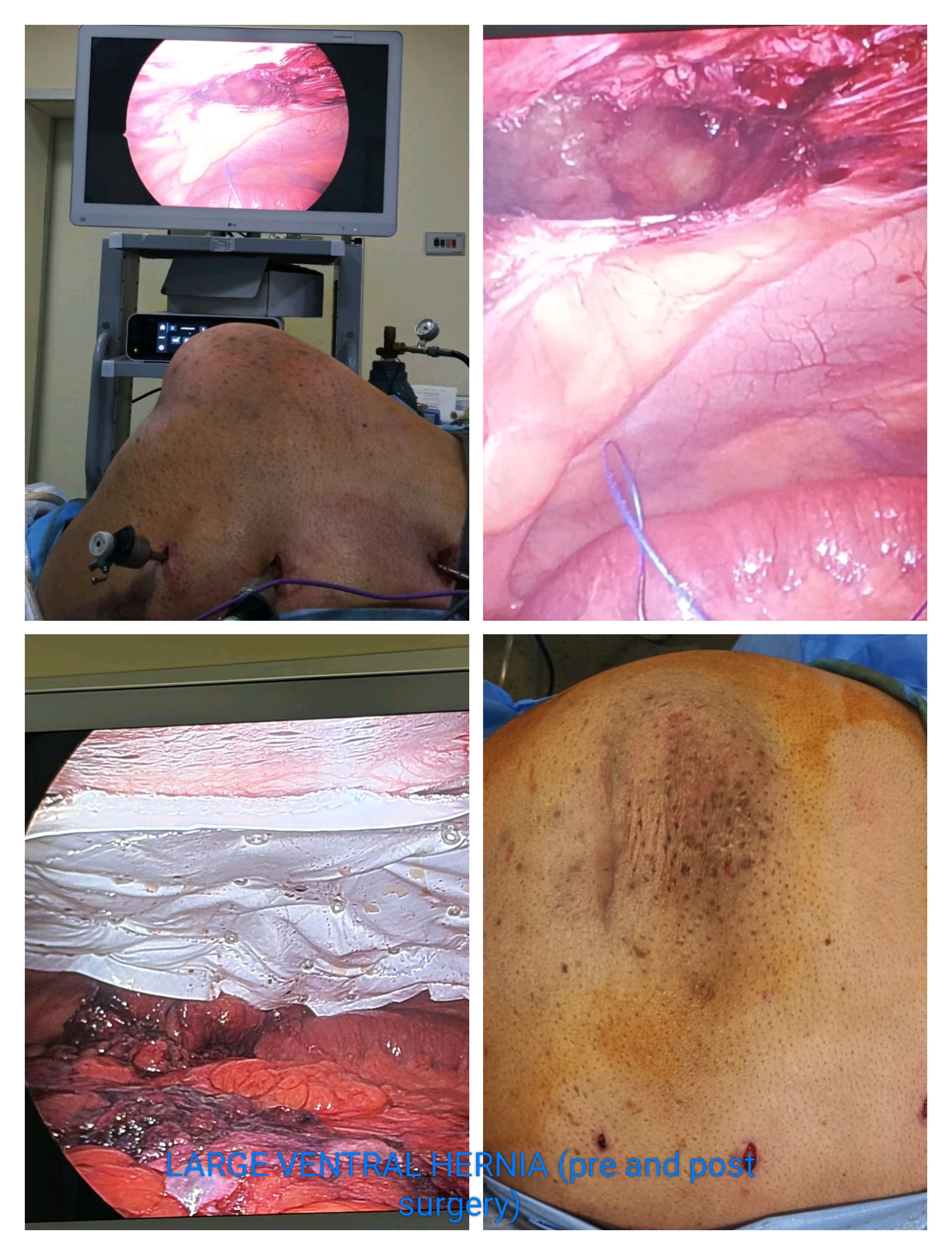
A large ventral hernia often causes a visible abdominal bulge, discomfort or pai...See More
Jun 11, 2026
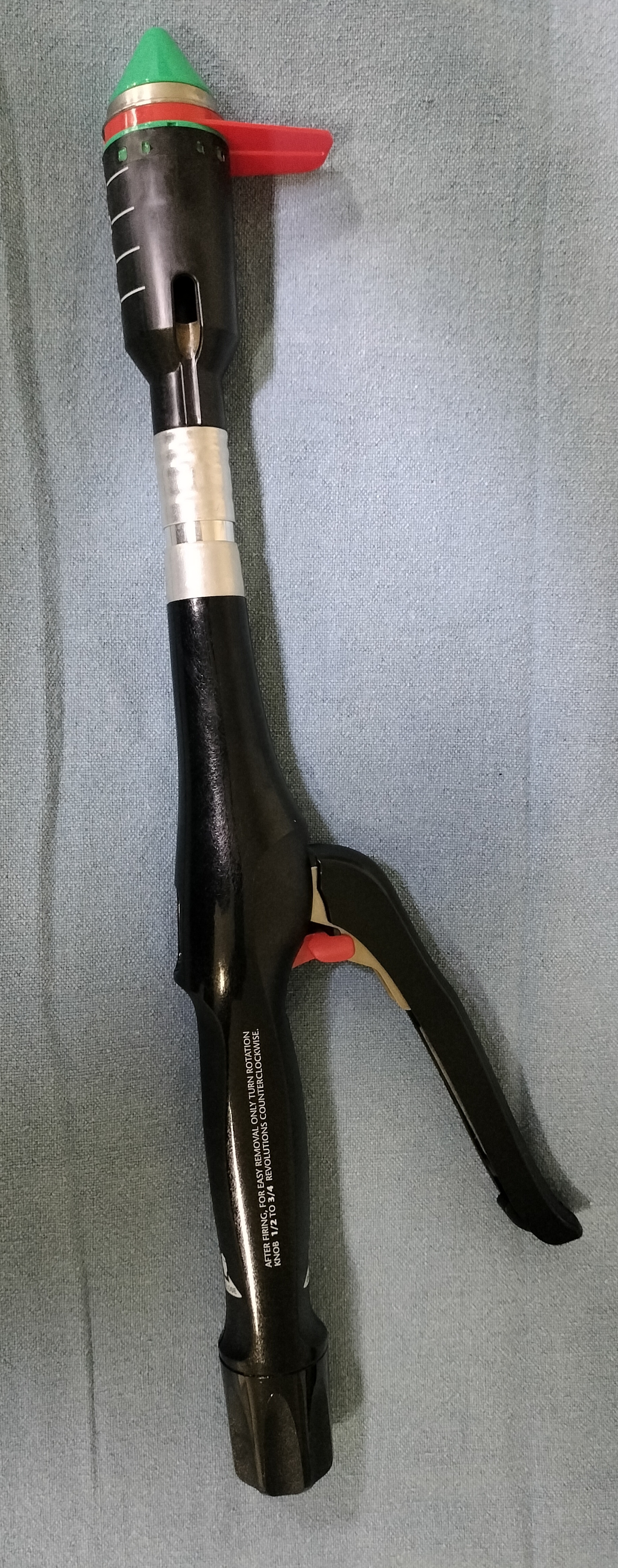
Stapler surgery for piles
Jun 10, 2026

Food safety is an essential part of protecting health at every age. Proper food ...See More
Jun 07, 2026
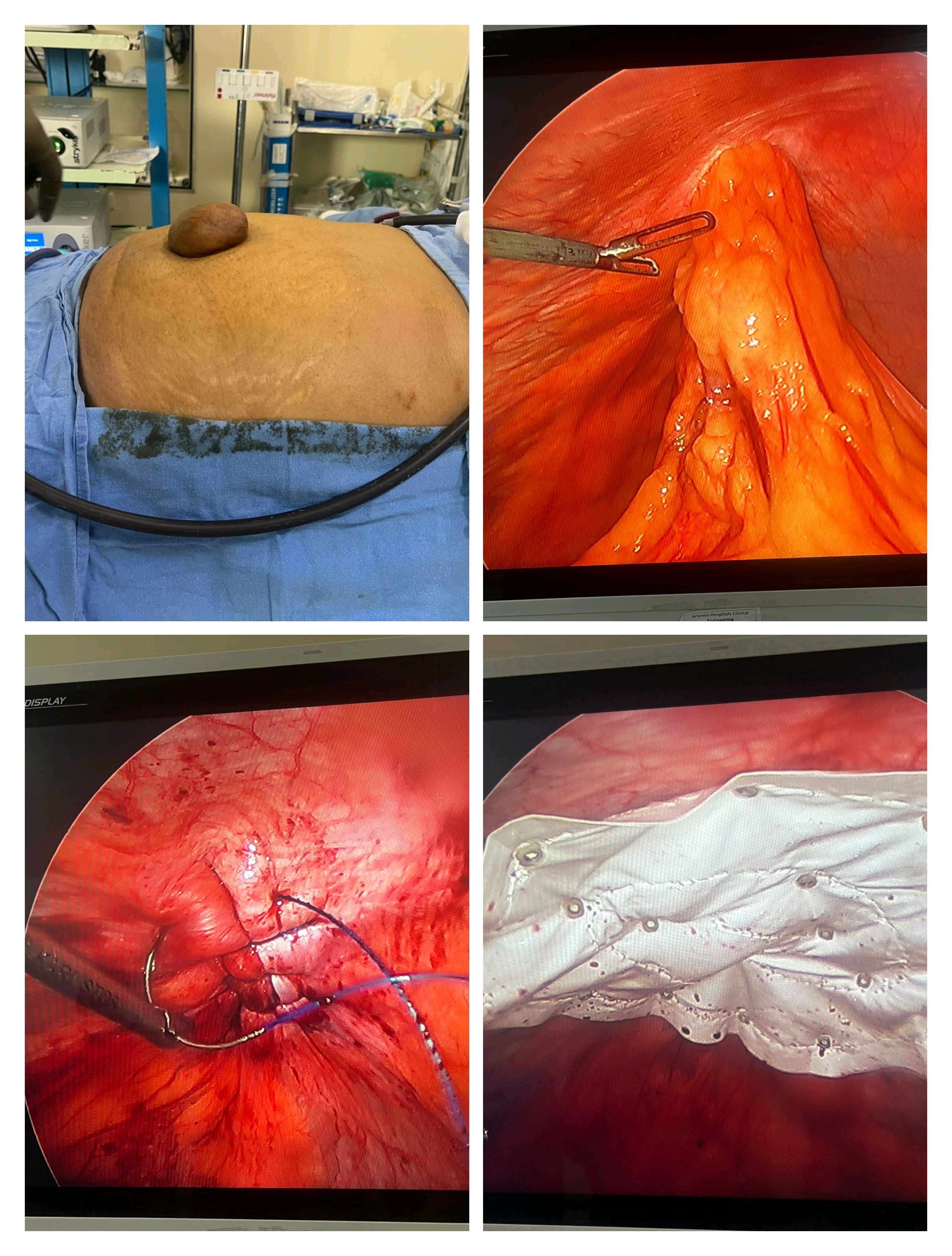
A strangulated hernia occurs when herniated bowel/omentum has its blood supply c...See More
Jun 05, 2026
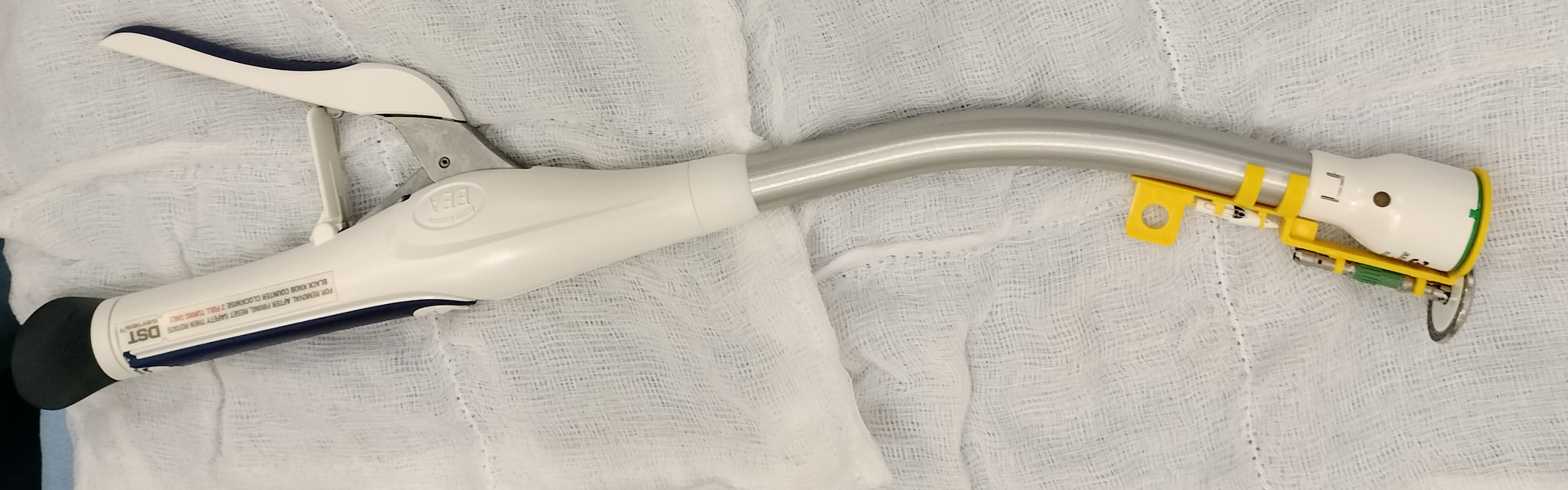
Circular staplers in lower anal/rectal surgery are mainly used for **stapled hem...See More
Jun 02, 2026
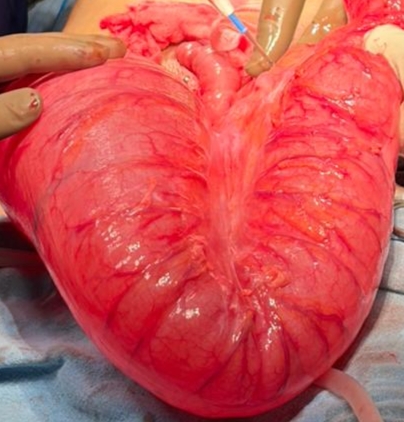
Volvulus = twisting of bowel causing blockage and possible loss of blood supply....See More
May 29, 2026
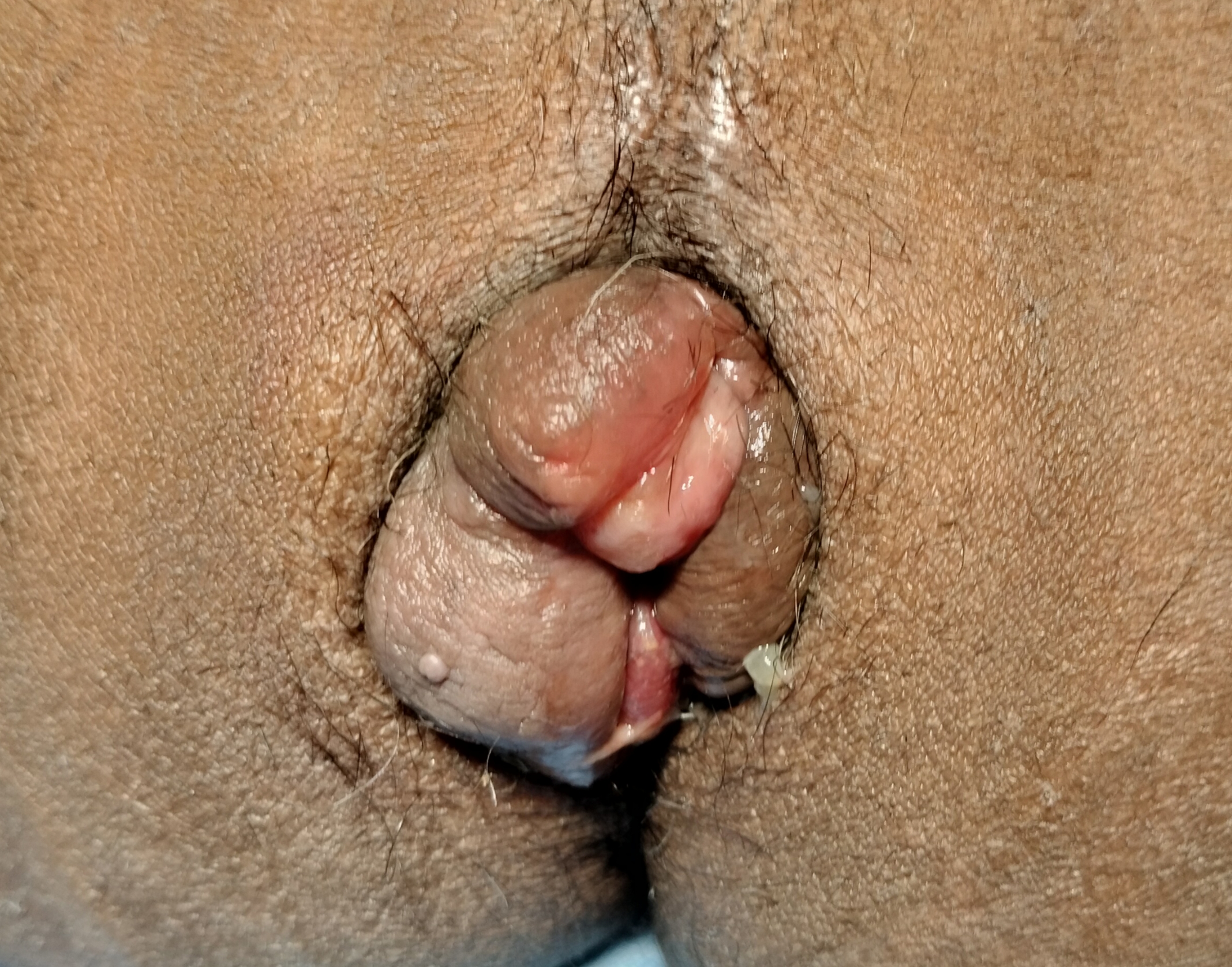
Thrombosed prolapsed piles are swollen hemorrhoids with a blood clot causing sud...See More
May 26, 2026
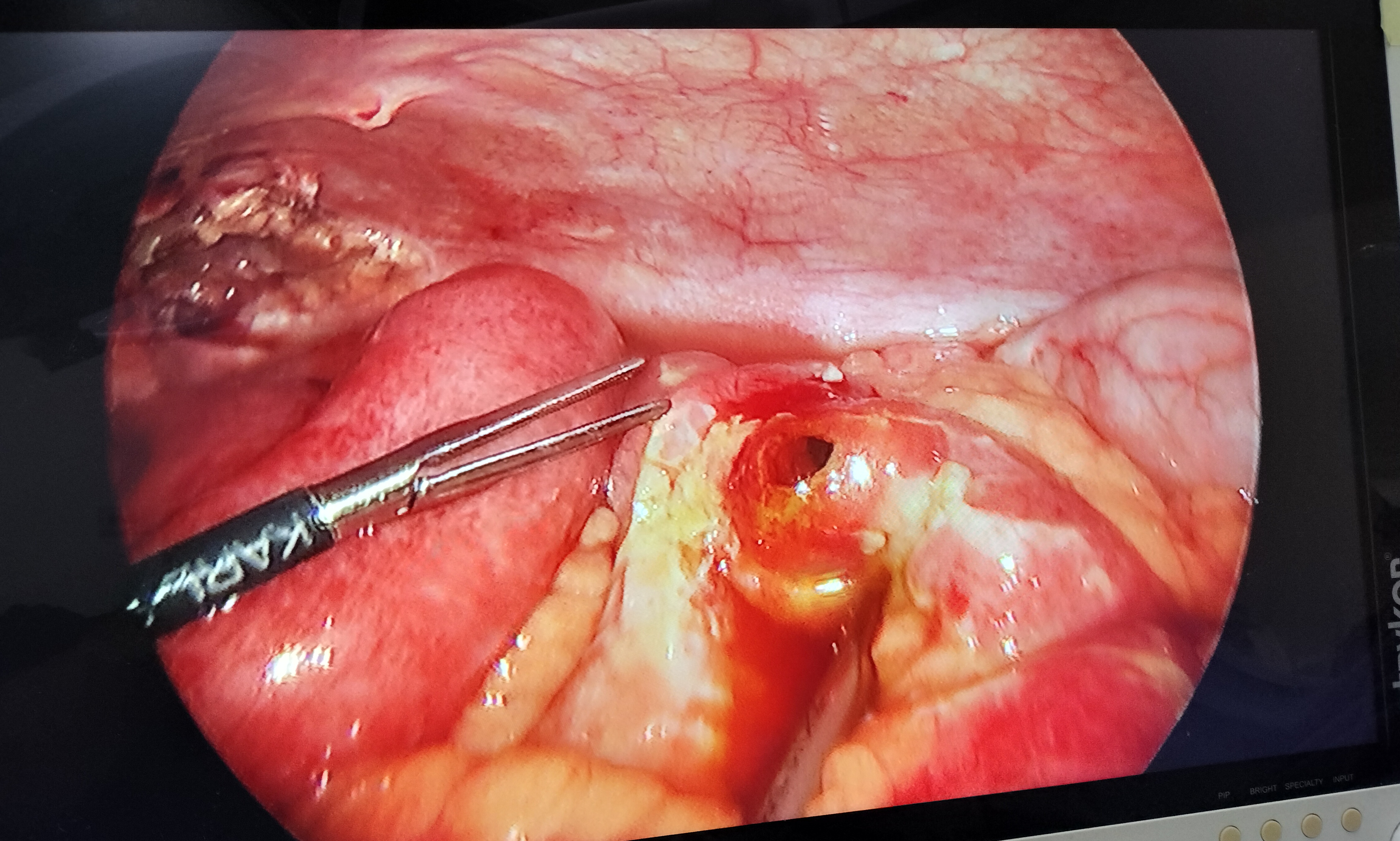
Typhoid ileal perforation is a surgical emergency caused by necrosis of Peyer’s ...See More
May 24, 2026
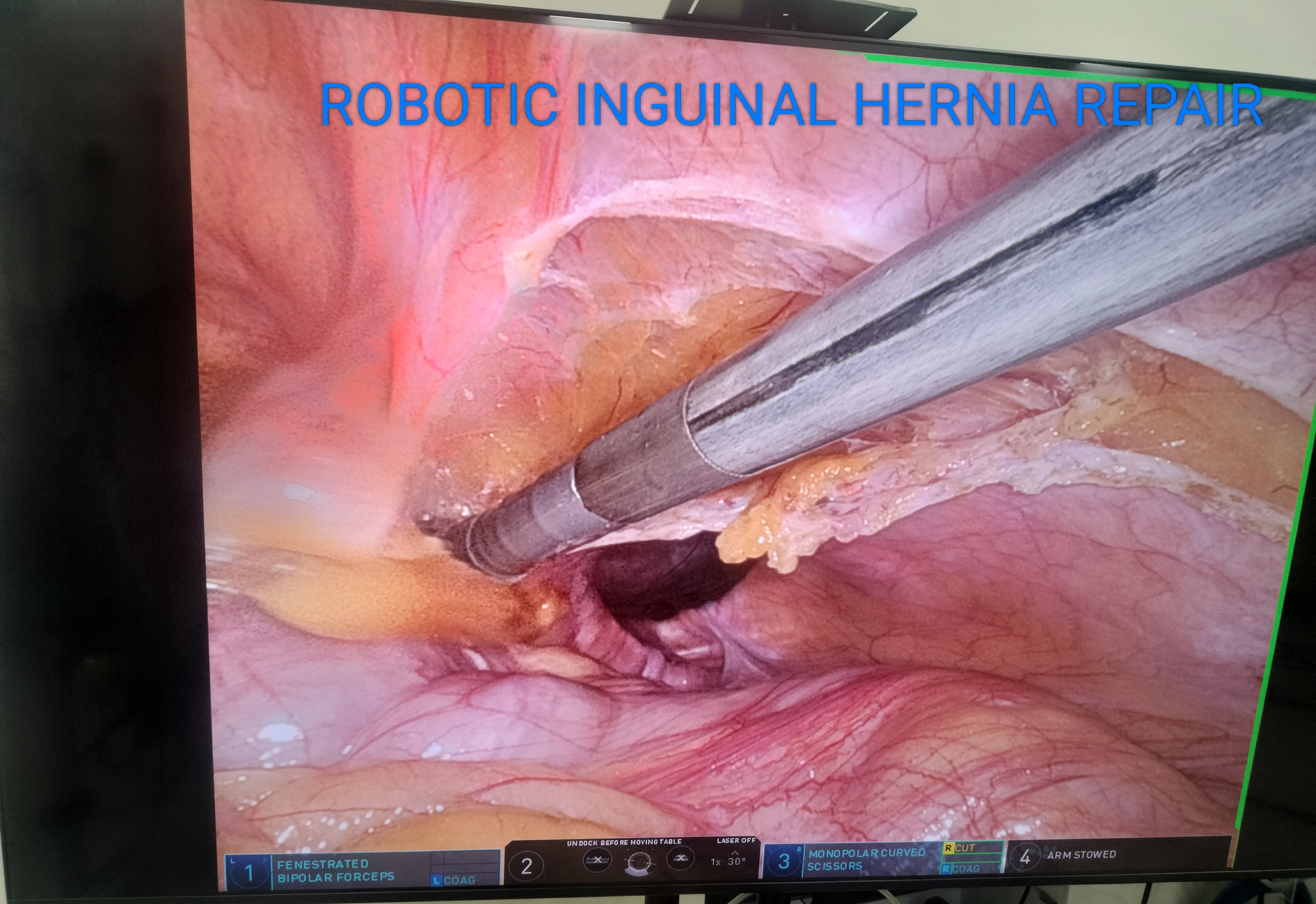
Robotic inguinal hernia repair is a minimally invasive surgery using small incis...See More
May 13, 2026
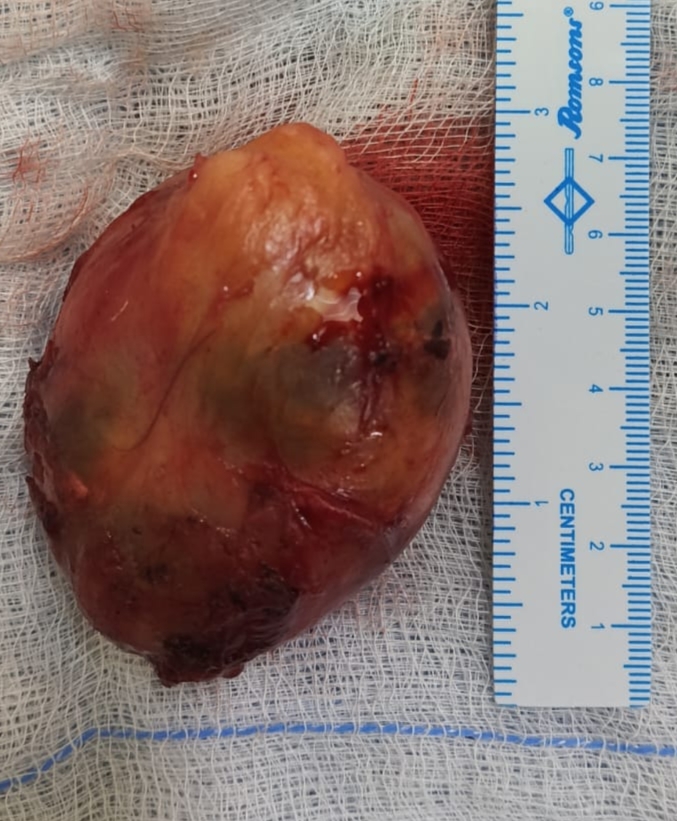
Hydatid cyst (echinococcosis) is usually in the **liver** (most common) and **lu...See More
May 05, 2026
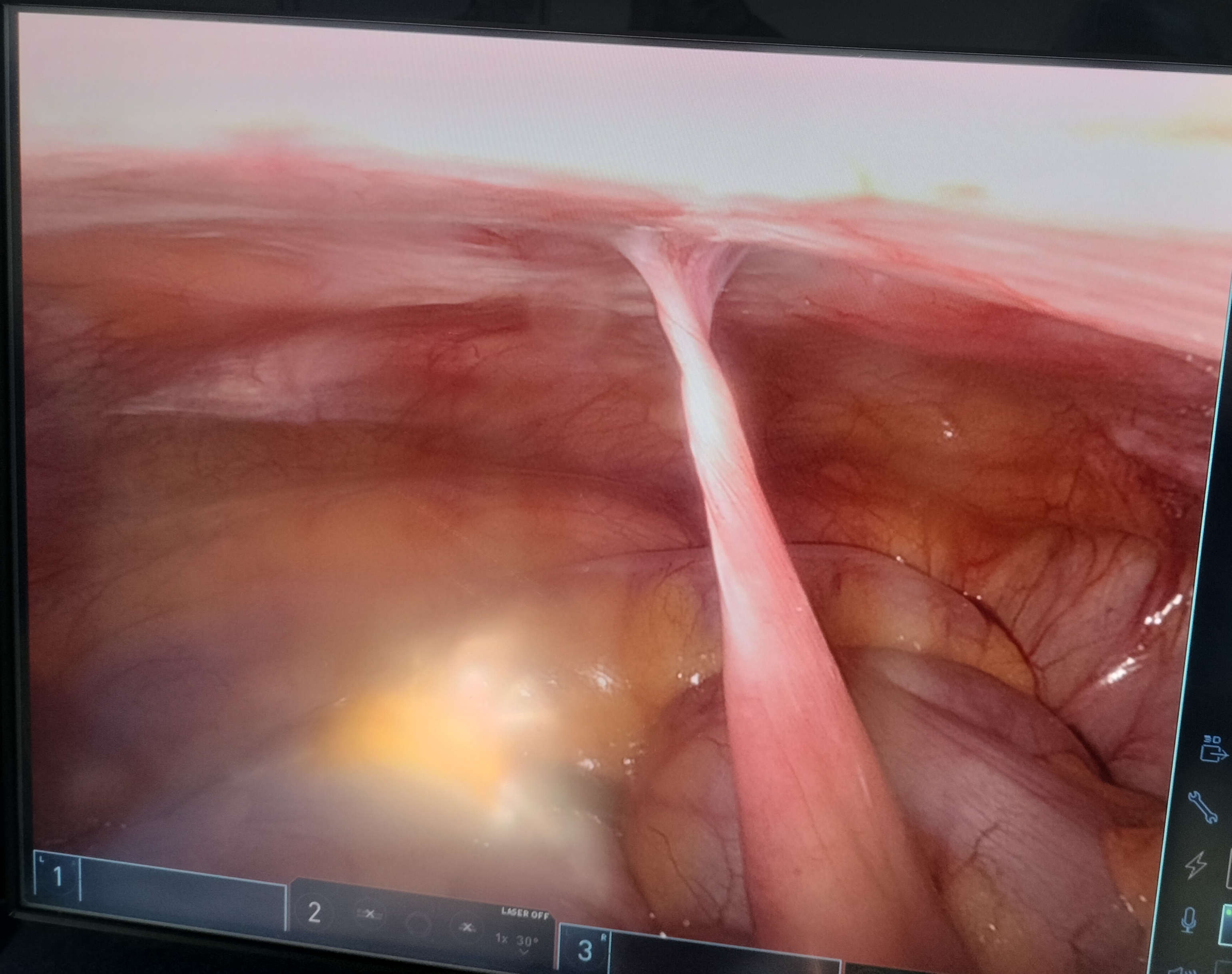
A fibrous **band adhesion** can kink/compress bowel and cause **mechanical obstr...See More
May 02, 2026
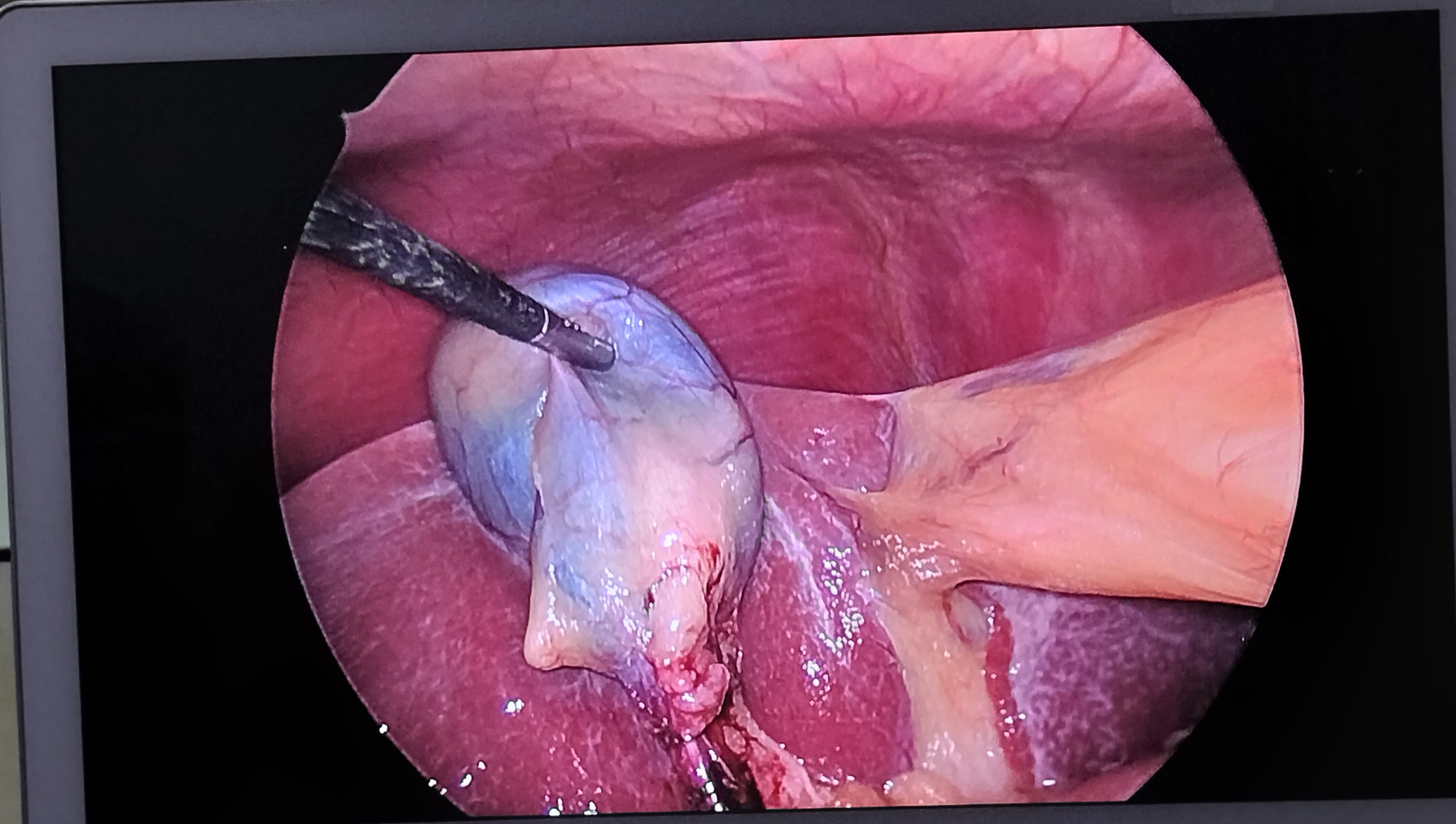
Gallstones may cause sudden right upper belly pain (often after fatty meals), pa...See More
May 01, 2026

To prevent heat-related illness: - Drink water often; avoid alcohol and excess c...See More
Apr 28, 2026

Happy Baisakhi! 🌾✨ Wishing you joy, prosperity, good health, and abundant bless...See More
Apr 13, 2026
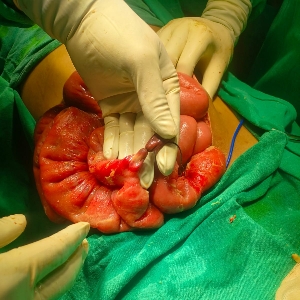
A rare cause of intestinal obstruction is **Meckel’s diverticulum**, a congenita...See More
Apr 03, 2026
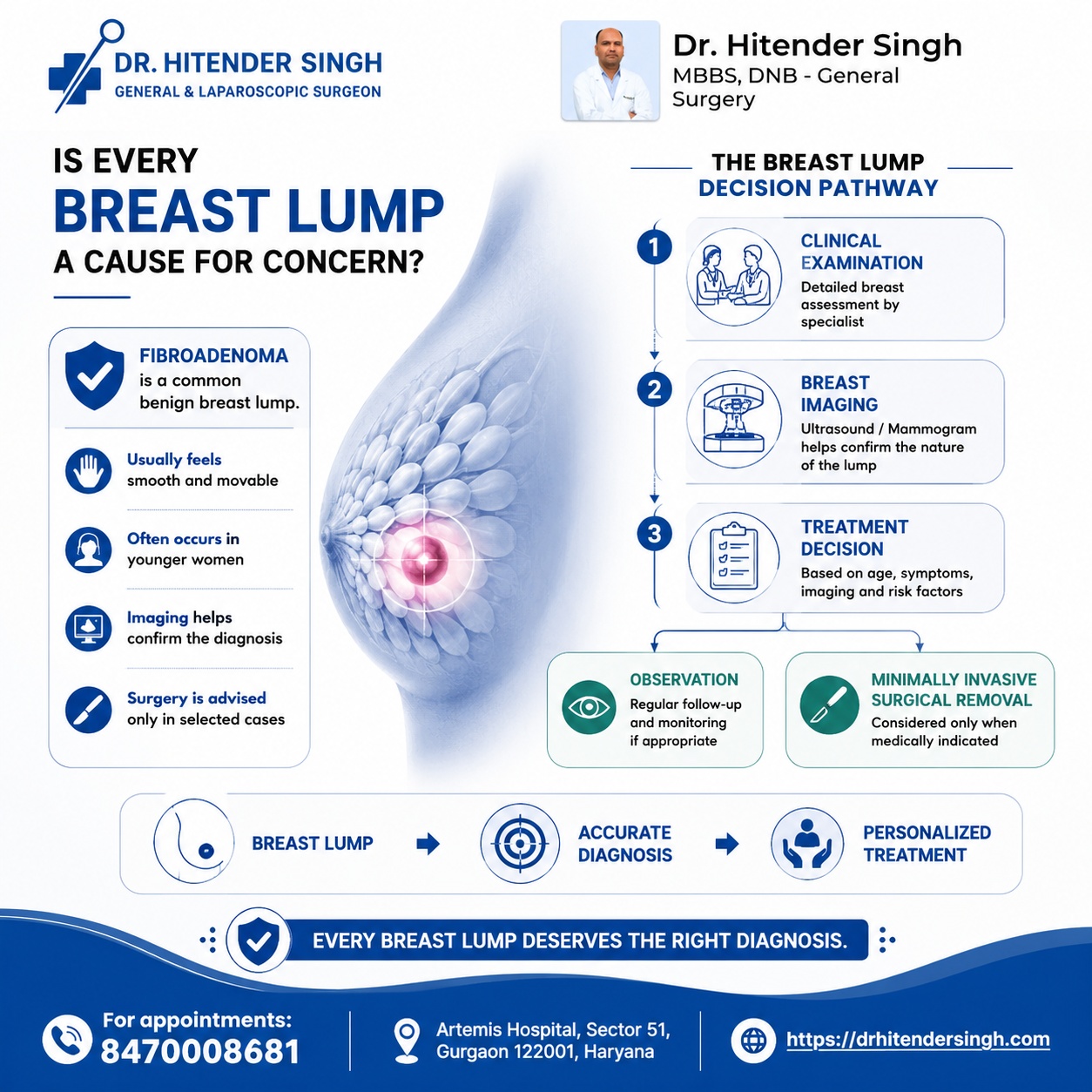
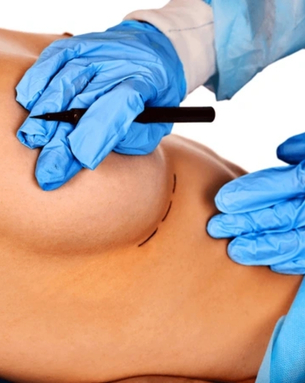
Fibroadenomas are non-cancerous breast tumors, and treatment depends on factors ...See More
Jul 21, 2026
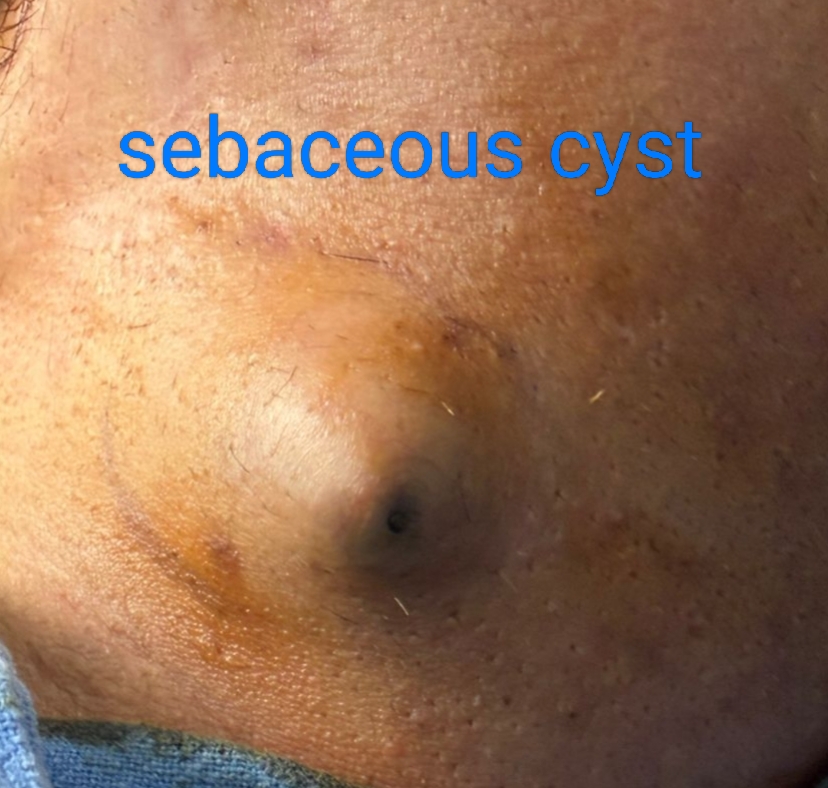
A “sebaceous cyst” is usually an epidermoid cyst: a slow-growing, round lump und...See More
Jun 25, 2026
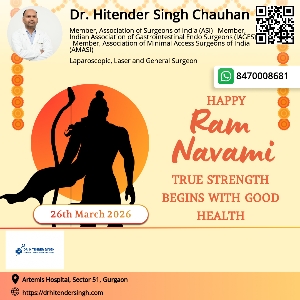
Happy Ram Navami! May Lord Ram’s blessings bring peace, strength, and happiness ...See More
Mar 25, 2026
Laparoscopic, Laser and General Surgeon

What our Patients says about us
I recently underwent surgery with Dr. Hitender. I am extremely grateful for the care I received. From the first consultation, the doctor took time to explain my condition, answer all my questions, and clearly outline the treatment plan, which helped ease my anxiety.

Best laparoscopic surgeon for gall bladder surgery highly recommended.my surgery was very smooth and pain free thanks dr hitender
Hitender sir is very professional highly knowledgeable.i will recommend for laparoscopic surgery.

Need Answers? Find them here...
Dr. Hitender Singh is a highly skilled General and Laparoscopic Surgeon with over a decade of clinical experience, providing top-notch medical care in Gurugram. A graduate of D.Y. Patil Medical College, Kolhapur (MBBS, 2011), and trained at leading institutions, he has pursued DNB in General Surgery at Asian Institute of Medical Sciences, Faridabad (2018). With numerous fellowships like FAMASI, FIAGES, FALS (Hernia), and EFIAGES, Dr. Singh specializes in minimally invasive and advanced laparoscopic procedures, ensuring precise and effective surgical outcomes.
Dr. Hitender Singh, with a decade of experience, is proficient in minimally invasive surgeries, advanced laparoscopic procedures, trauma care, hernia repair, and GI surgeries. Trained at esteemed institutions including Safdarjung Hospital and currently serving at Artemis Hospital, Gurugram, he combines technical precision with compassionate care. His Advanced Trauma Life Support (ATLS) training and membership in the Association of Surgeons of India (ASI) enhance his skills in emergency and critical care management, making him a reliable choice for surgical needs.
Laparoscopic techniques in benign breast surgeries, such as tumor removal or biopsy, provide significant benefits. They enable precise targeting of the affected area through small, discreet incisions. Patients experience less postoperative pain, minimized scarring, and quicker recovery times. The enhanced visualization and accessibility ensure effective treatment with superior cosmetic results, making it a preferred option for many.
Choosing a laparoscopic approach for bariatric surgery offers numerous benefits, such as smaller incisions, reduced pain and scarring, and shorter hospital stays. This minimally invasive technique enhances safety and facilitates quicker post-surgery recovery. It lowers the risk of complications like infection or hernias, making weight loss surgeries like gastric bypass or sleeve gastrectomy safer and more efficient.
Perforation peritonitis is a life-threatening condition wherein a hole in the gastrointestinal tract leads to infection in the abdominal cavity. Surgical intervention involves closing the perforation and cleansing the infection, often via laparoscopic techniques when stable. Minimally invasive procedures reduce further trauma to the abdominal area, offering faster recovery while managing sepsis and preventing complications.
Trauma surgeries address physical injuries requiring urgent surgical intervention, often following accidents or severe wounds. While some traumas necessitate open surgery, minimally invasive techniques are increasingly used when feasible for conditions like internal bleeding or organ damage. Laparoscopic methods reduce intraoperative blood loss and quicker recovery, supporting better outcomes in specific trauma cases.
Acute abdomen refers to sudden, severe abdominal pain requiring immediate medical intervention. Minimally invasive surgeries, such as laparoscopic appendectomy or cholecystectomy, address common conditions like appendicitis or gallbladder issues. Utilizing small incisions and specialized tools, these procedures allow for thorough diagnostics and treatment with reduced pain and faster recovery compared to open surgeries.
Benign breast surgeries are procedures aimed at removing non-cancerous lumps or growths in the breast. They are necessary when the masses cause discomfort, pain, or present a risk of developing into malignant conditions. Minimally invasive techniques and laser surgeries often apply in these cases, leading to less scarring, reduced recovery time, and satisfactory cosmetic outcomes.
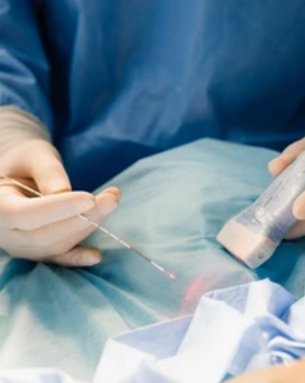
Laser surgeries utilize focused light beams to treat specific medical conditions, offering precision and minimal tissue damage. In general surgery, they are used for removing diseased tissue, treating benign breast conditions, or sealing nerves. Laser procedures often result in less bleeding, reduced postoperative pain, and quicker healing times, making them a preferred choice for suitable cases.
Laparoscopic rectopexy is a minimally invasive procedure used to correct rectal prolapse. During the surgery, the rectum is repositioned and secured, preventing further prolapse. Through small incisions in the abdomen, surgeons use a laparoscope and tools to complete the procedure, which typically offers faster recovery, less pain, and shorter hospital stays compared to traditional open surgery.
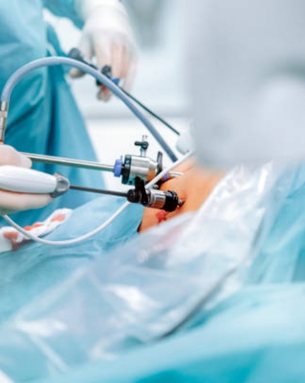
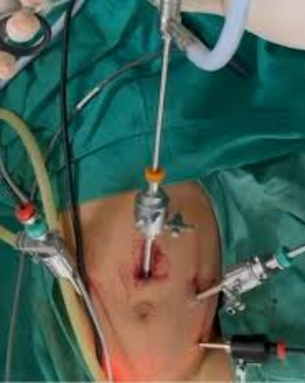
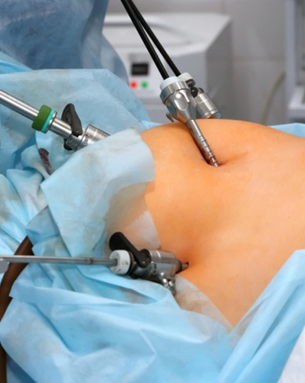
Laparoscopic and minimally invasive surgeries are performed through small incisions using specialized instruments, a camera, and a monitor to guide the procedure. Unlike traditional open surgeries that require larger incisions, these techniques reduce blood loss, lower infection risks, and offer quicker recovery times. They are used in various procedures, including bariatric surgeries and trauma surgeries.
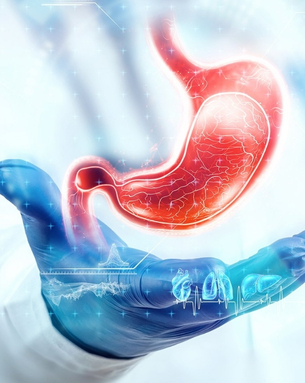
Bariatric surgery encompasses a range of procedures aimed at aiding weight loss for individuals struggling with obesity. It's often recommended for patients with a BMI over 40 or those with serious obesity-related health issues like diabetes or hypertension. The surgery works by either restricting the amount of food the stomach can hold or by altering the digestive process, leading to weight loss.
 Address :Artemis Hospital, Sector 51, Gurgaon 122001, Haryana